
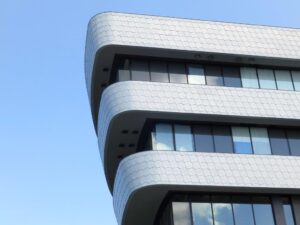
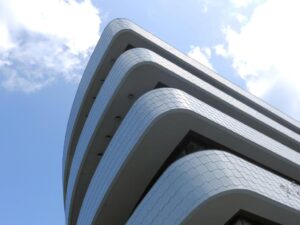
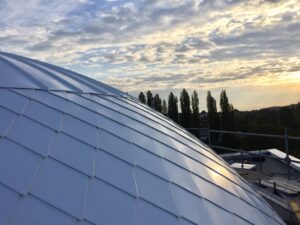
The popular VMZINC material, available in natural or colour-pigmented finishes as well as oxidised finishes, offers strong value in both its initial investment and long-term service life, making it a cost-efficient roofing and façade solution
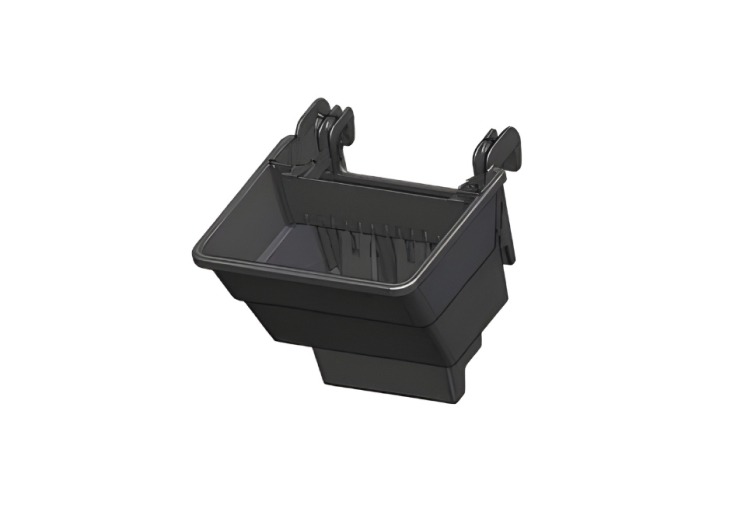
The system is highly versatile and can be used in warm or cold roof constructions, with a full range of matching trims available, including internal and external hanging gutters manufactured in VMZINC. In addition to roofing, VMZINC is also suitable for rainscreen façade applications, offering designers flexibility across the building envelope.
The VMZINC rolled zinc material is alloyed with copper and titanium to enhance its mechanical and physical performance for construction use, particularly in terms of mechanical and creep resistance. It is produced from high-purity zinc (Z1 – 99.995% pure) in accordance with EN 1179 standard, with carefully controlled additions of copper and titanium.
Copper improves the alloy’s strength and hardness, increasing its resistance to mechanical stress. Titanium enhances creep resistance, allowing the material to accommodate thermal expansion and contraction of the material over time without compromising durability or causing metal fatigue
The EN 988 European Standard, in force since 1997, has been adopted across 18 European countries. It sets strict requirements for the chemical composition of rolled zinc, as well as its physical, mechanical, and dimensional properties, making it a widely recognised international benchmark for architectural zinc.
| Density | 7.2 kg/dm³ |
| Thermal expansion coefficient (parallel to the rolling direction) | 0.022 mm/m/°C |
| Melting point | 420°C |
| Recrystallization point | 300°C |
| Heat conductivity | 110 W/(m.K) |
| Electrical conductivity | 17 MS/m |
| Danger of sparking | Non-sparking |
| Magnetic properties | Diamagnetic |
When zinc comes into contact with moisture, it initially forms zinc hydroxide, which then reacts with carbon dioxide (CO₂) in the air to create a stable zinc hydroxycarbonate layer. If zinc is exposed to excessive moisture without sufficient CO₂, this stable grey patina cannot develop, leaving behind unstable zinc hydroxide, commonly known as white rust.
The time required for natural zinc to develop its protective patina varies depending on the level of water exposure. For example, a low-slope roof may achieve patina formation in around three years, while a sheltered soffit could require ten years or more to fully develop the patina. Thanks to this property, zinc stands out as one of the world’s most durable façade and roofing materials, performing exceptionally well in coastal and extreme weather environments.

Historically, traditional roofing systems such as VMZINC standing seam panels were installed vertically as “roofs on walls.” Flat lock panels have likewise been applied successfully for many decades. Over the past two decades, rainscreen façades have gained widespread popularity, and VMZINC now provides a range of systems specifically developed for rainscreen façade applications.
There are 3 main ways how VMZINC panels can be joined:
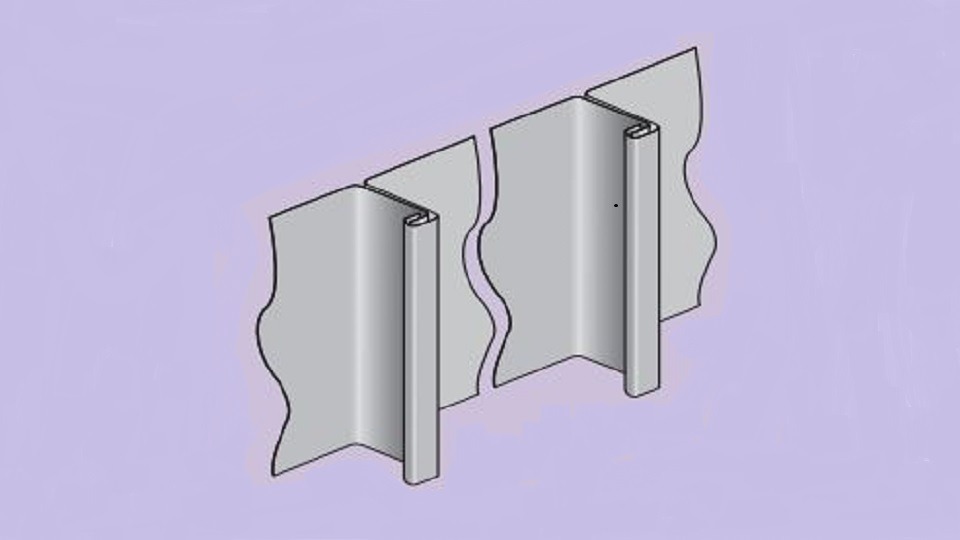
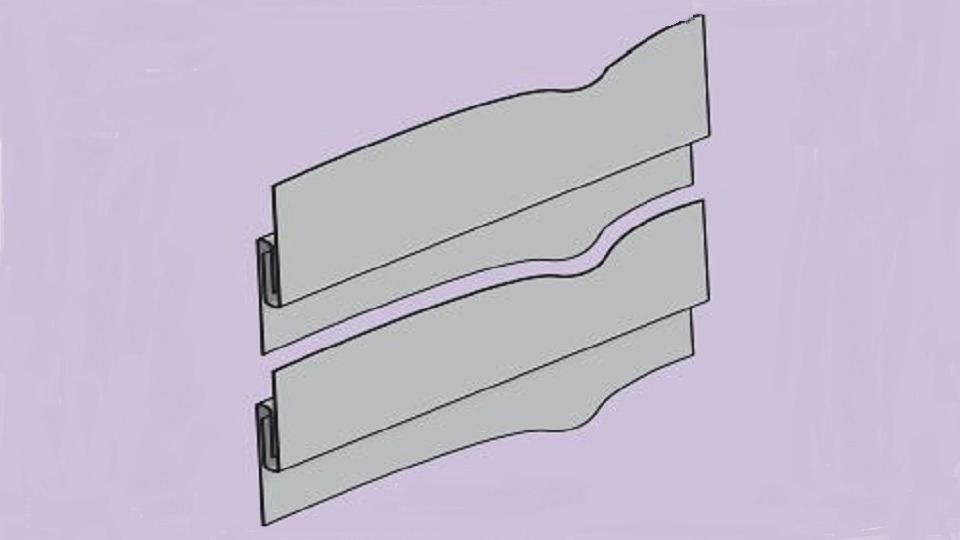
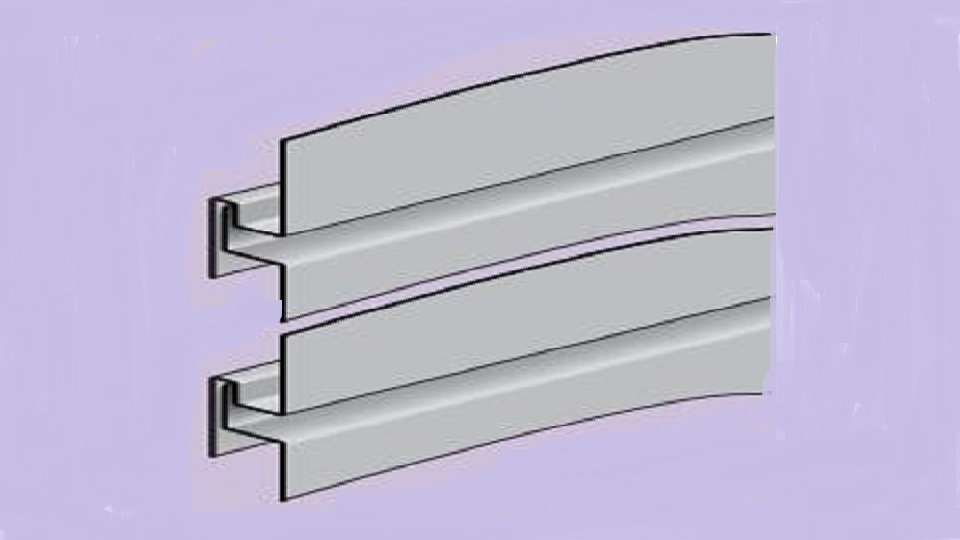
In earlier applications, conventional roofing systems such as standing seam panels were often used vertically as “roofs on walls.” Flat lock panels have also been in use for many years. Both systems rely on continuous ventilated substrates and are typically installed by specialist hard-metal roofing contractors.
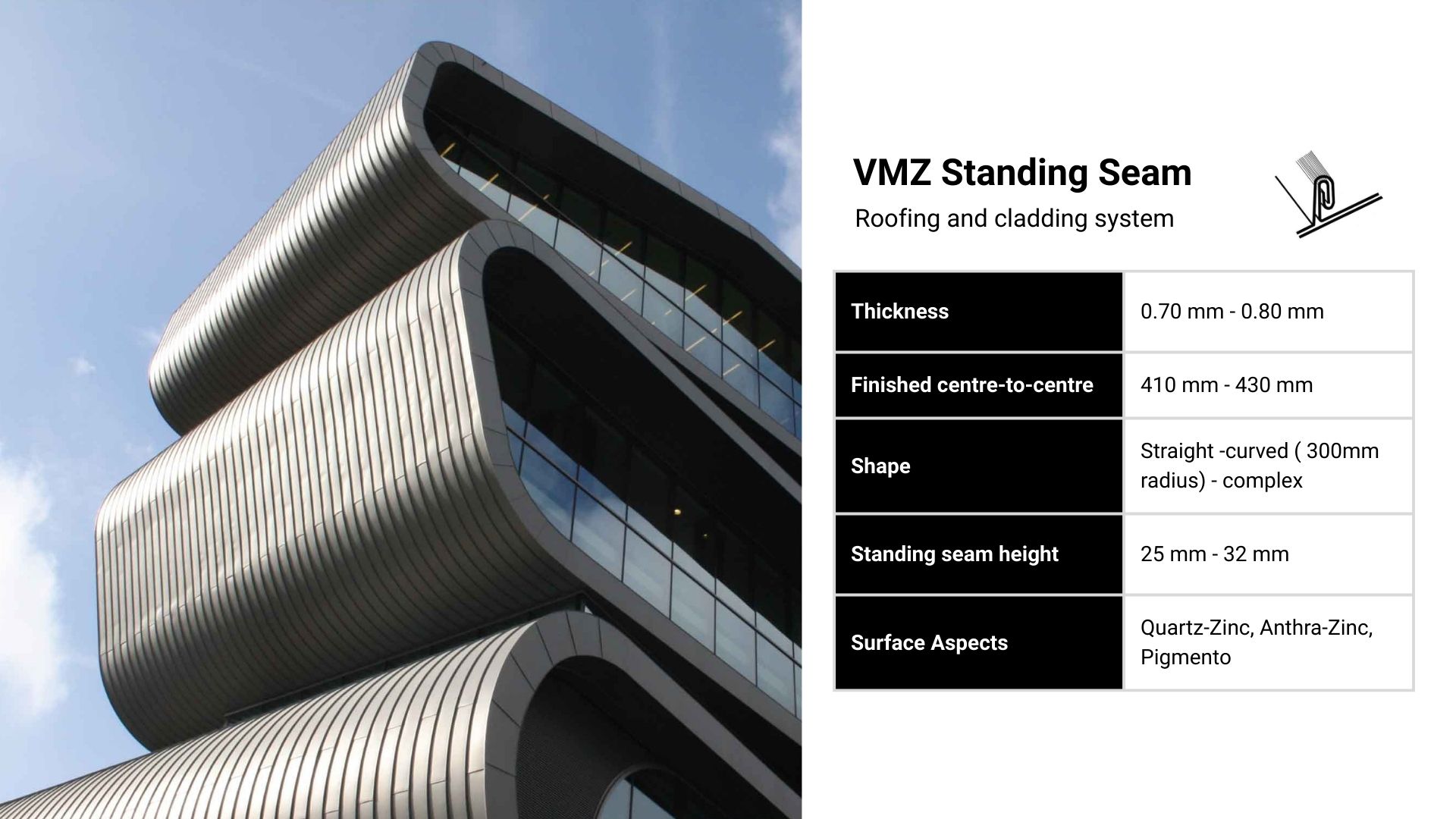
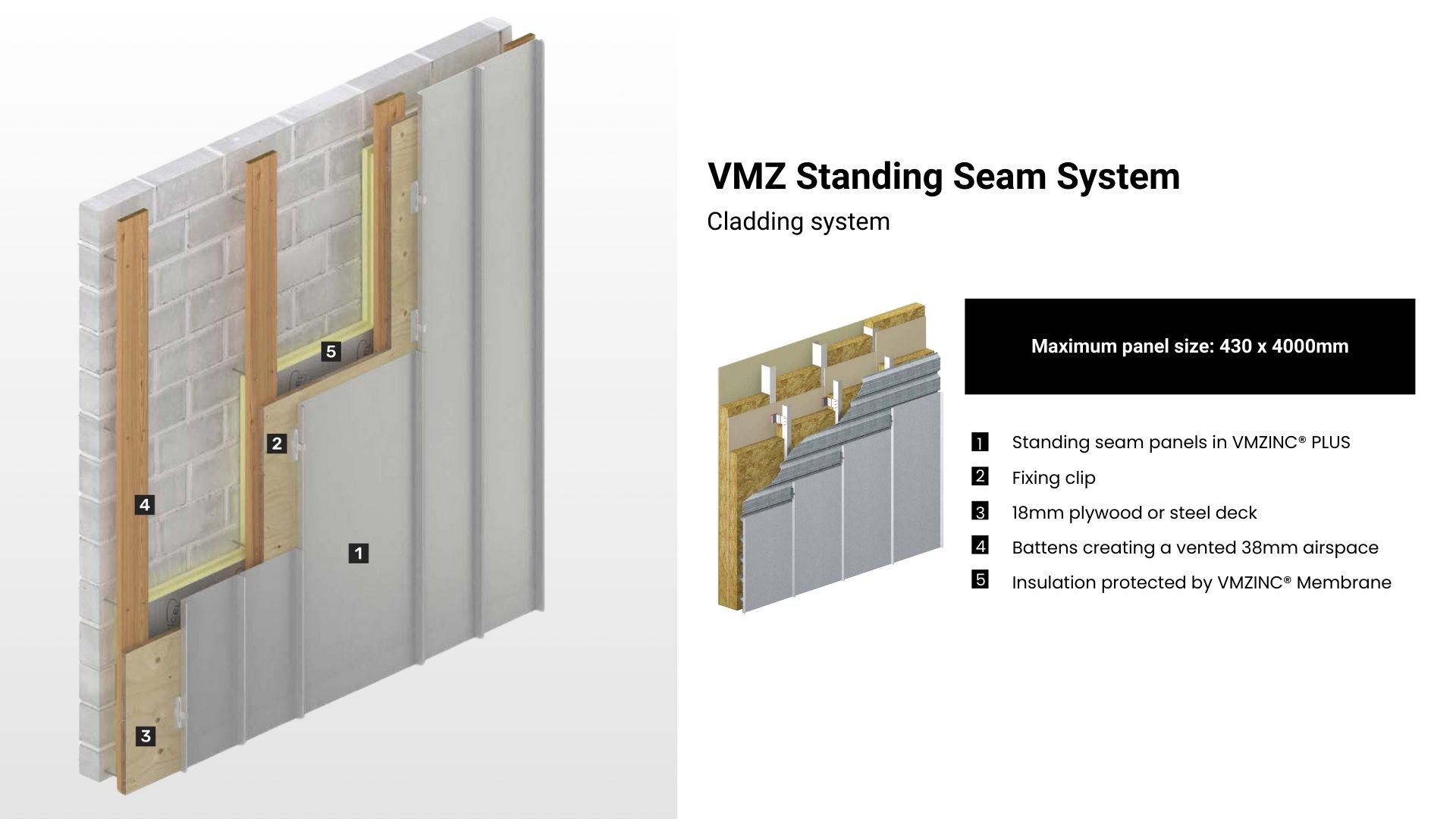
The VMZINC Standing Seam system is a ventilated cladding solution suitable for both new-build and refurbishment projects. As indicated by its name, the system is formed using raised seams that can be closed with either a single or double lock. For improved surface flatness, single-lock seams—sometimes referred to as angled seams—are often preferred. The system delivers a classic architectural appearance, with seams measuring 25 mm in height.
Panels may be installed vertically, horizontally, or on an incline, allowing the system to accommodate a wide range of wall geometries, including flat, curved, and complex shapes. A key advantage of this zinc façade solution is its versatility across both walls and roofs, enabling a seamless visual transition between the two (with double-lock seams required for roofing applications).
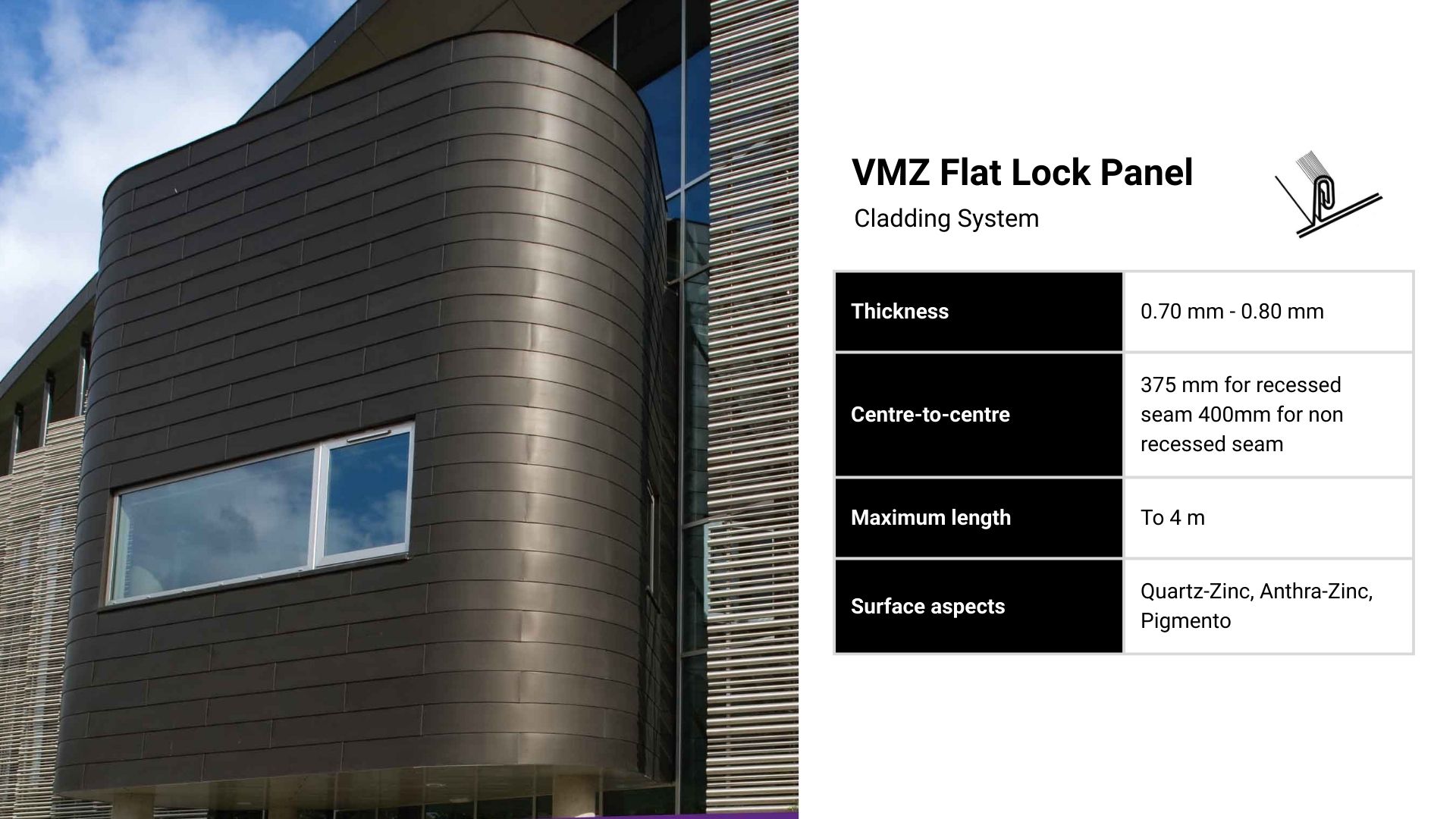
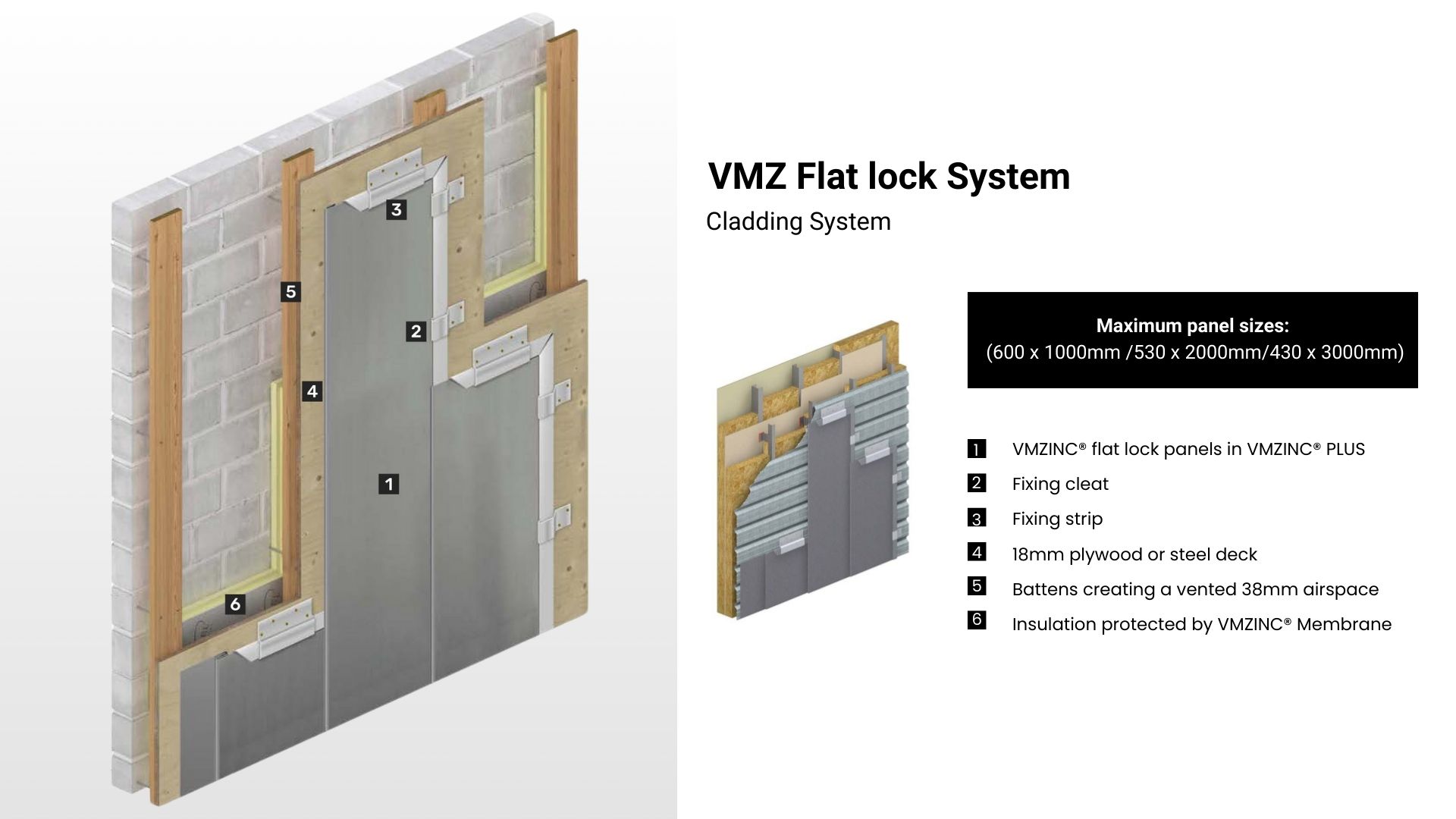
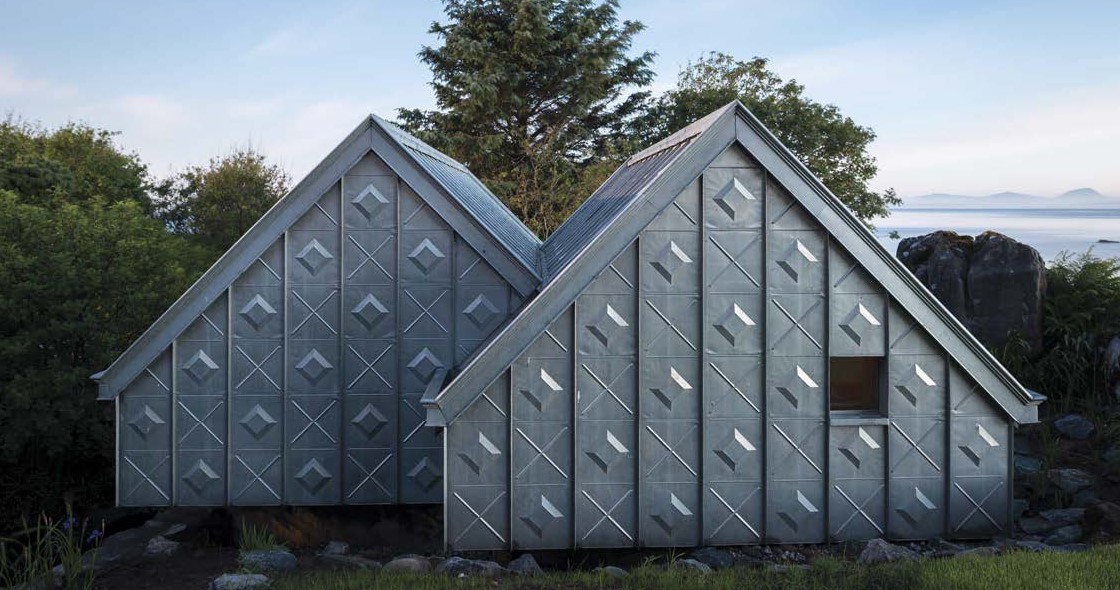
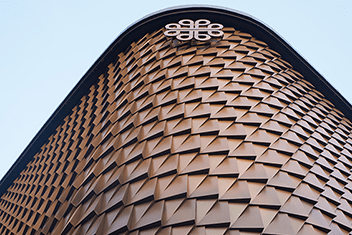
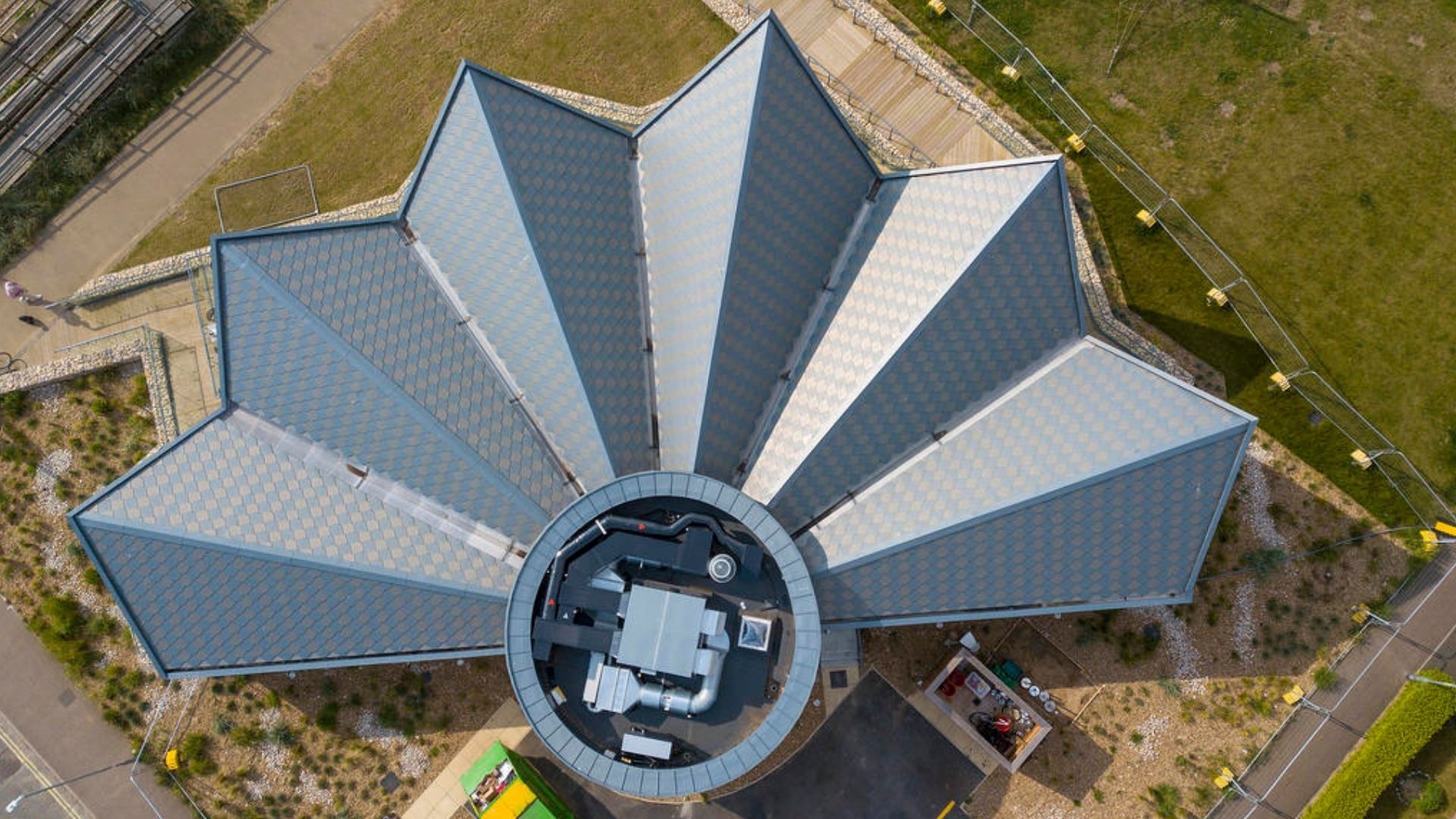
VMZINC Flat Lock panels, also commonly referred to as shingles, are installed on a continuous ventilated substrate and are suitable for both new construction and refurbishment projects. The system is formed from panels with 180-degree folded edges, approximately 25 mm wide, which interlock with one another and are secured to the substrate using cleats. This system offers a high level of design flexibility, as flat lock panels can be fabricated in a wide range of shapes and sizes, including square, diamond, and rectangular formats, and can be used for curved facades as well
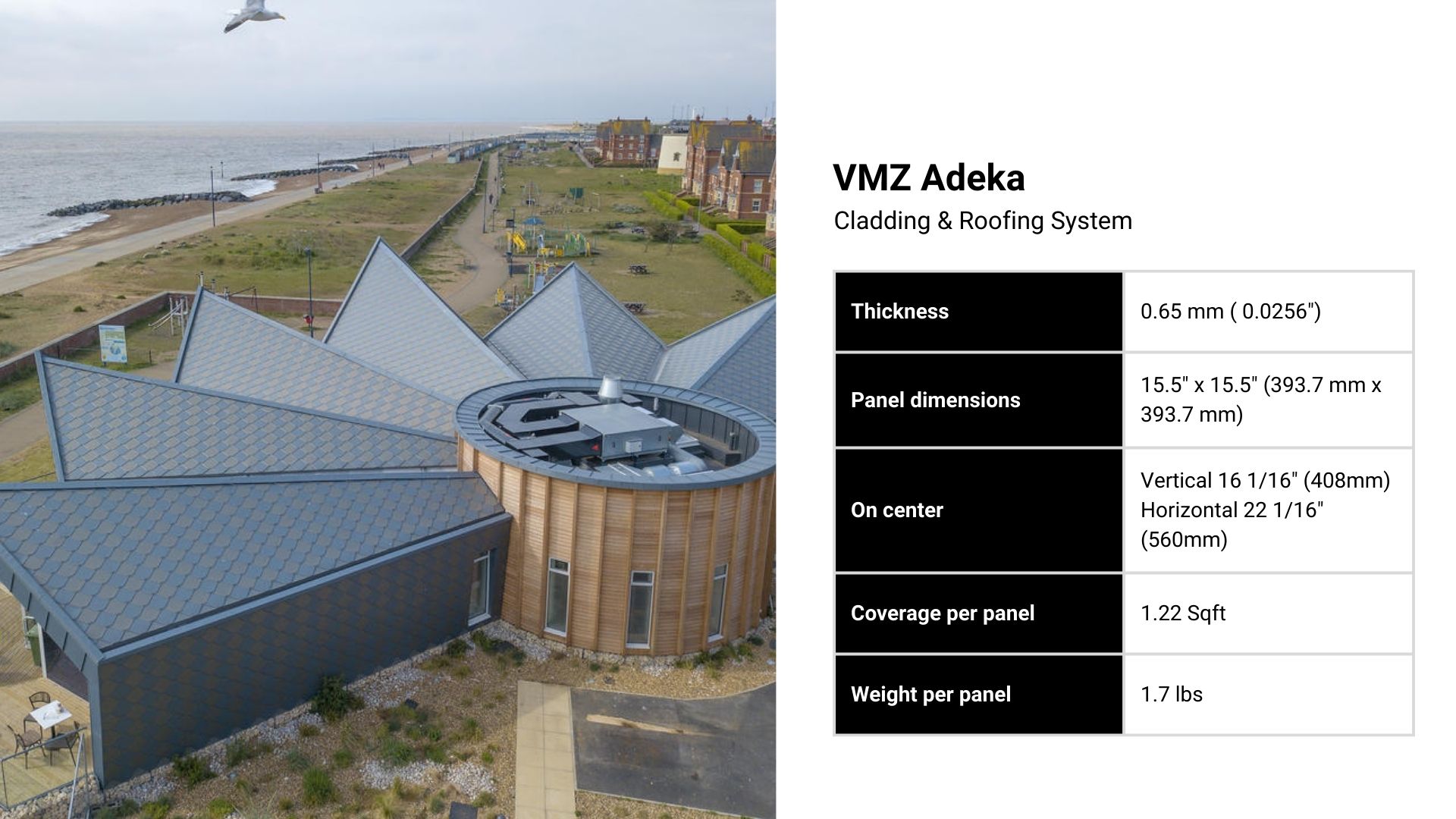
ADEKA is a patented and innovative façade and roofing system composed of small, preformed QUARTZ-ZINC elements secured using a unique locking key system. Alternative finishes can be produced to order upon request. Approximately 8.8 elements are required per square metre. Thanks to its raised edges and 50 mm overlaps, the ADEKA system is suitable for roof applications with slopes of 15 degrees or greater. BROOF(t4) certification is available for ADEKA when installed on a ventilated plywood substrate.
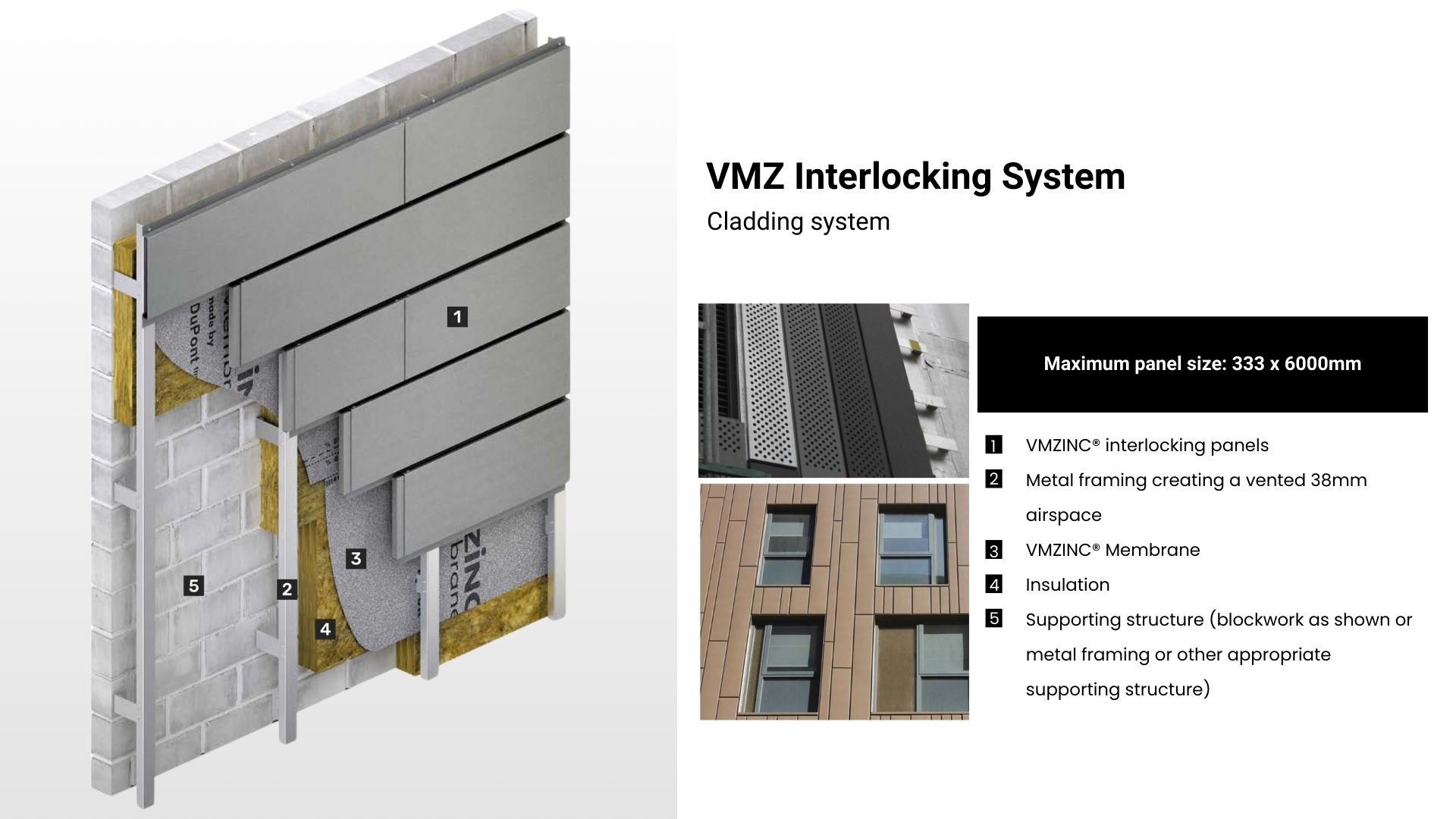
A rainscreen façade functions as an external layer that is rear-ventilated through a 38 mm cavity. Suitable for both new construction and refurbishment projects, the system allows the outer skin to remain breathable, while the inner layer manages thermal insulation and air-tightness. All connections are dry joints, with no sealants used in the system.
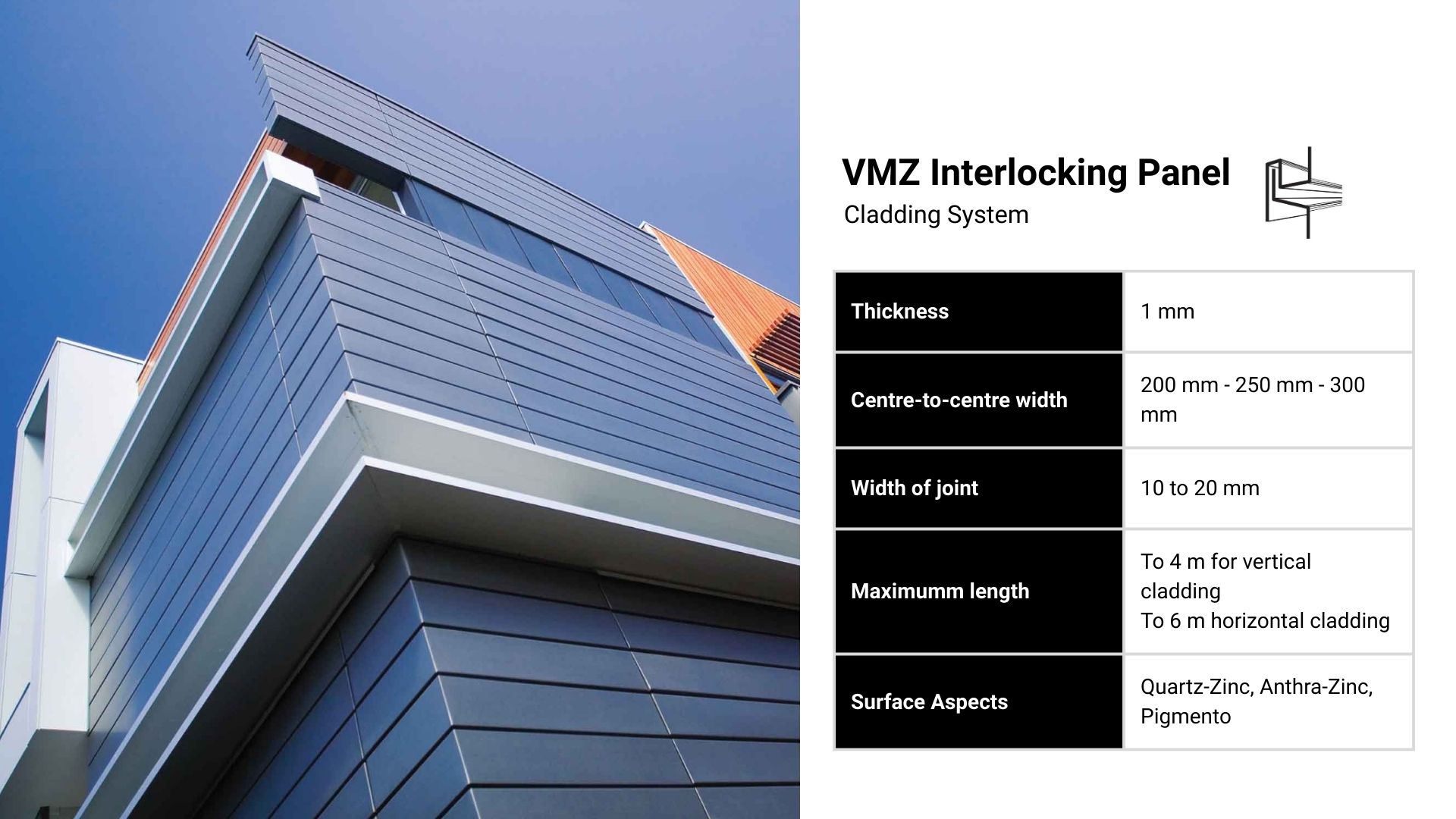
Interlocking panels are formed with a panel face and reveal joint and are secured using concealed fixings. The panels may be installed in horizontal or vertical orientations and are equally suitable for soffit applications. They are available in all VMZINC finishes with a standard thickness of 1 mm, and typical panel widths of 200 mm, 250 mm, and 300 mm.
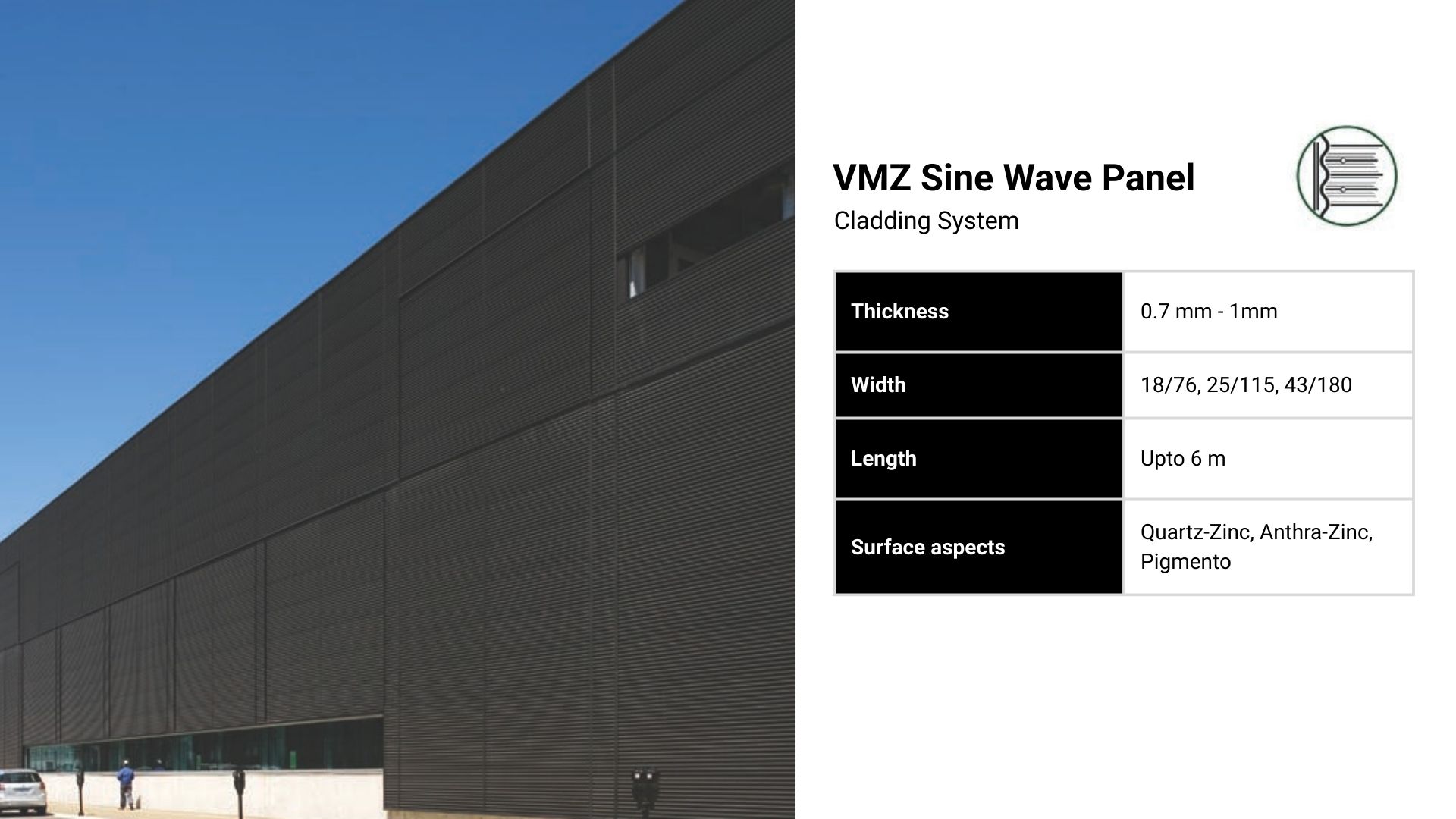
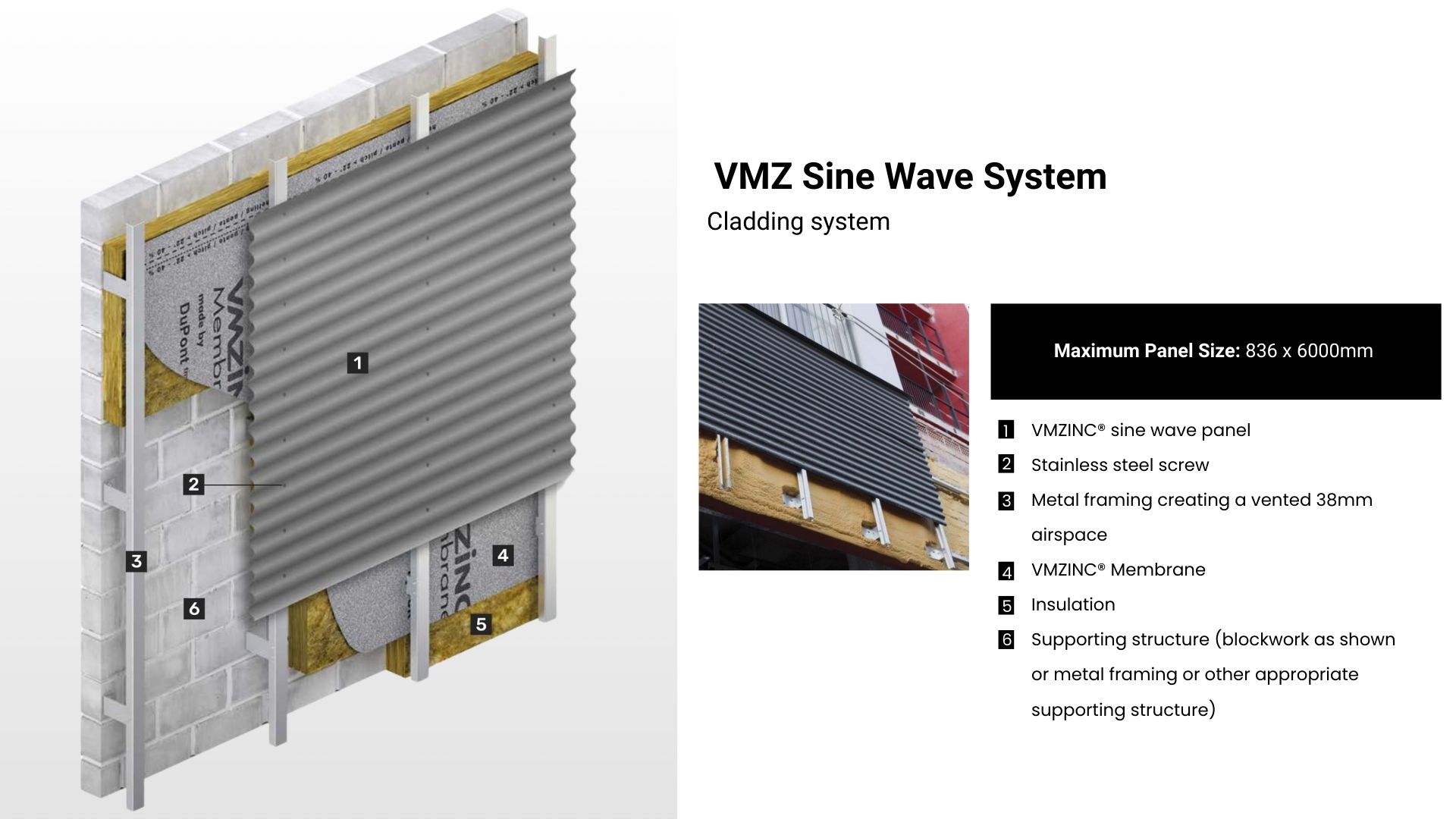
VMZINC Sine Wave is a corrugated zinc profile designed to be installed onto timber or metal substructures. It is one of the few VMZINC façade solutions that uses exposed fixings. The standard panel profile follows an 18/76 mm corrugation module and is available in 0.8 mm and 1.0 mm thicknesses. The system is suitable for horizontal or vertical wall applications. While Sine Wave can also be used for roofing, it must be installed in conjunction with an additional waterproofing layer.
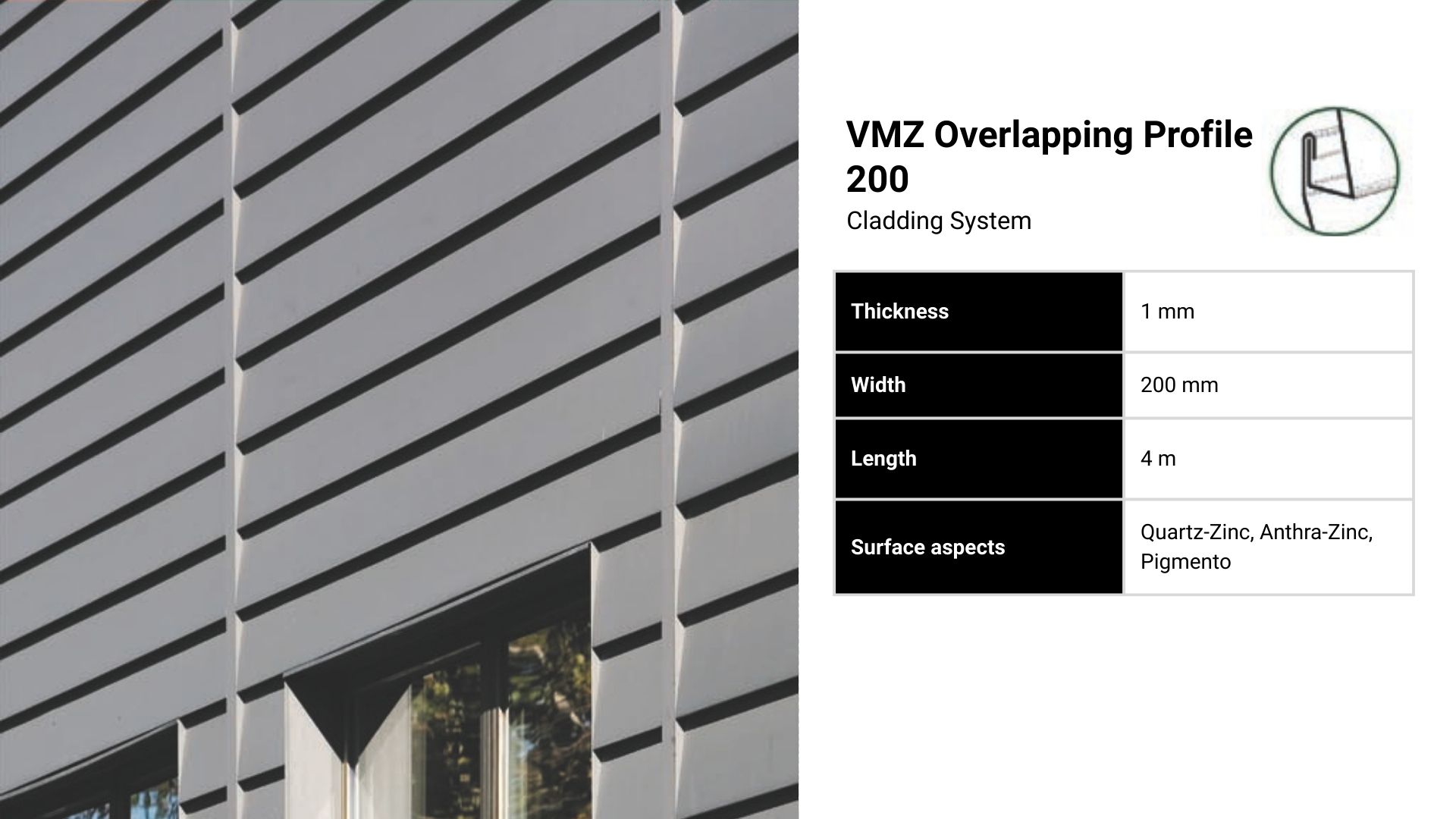
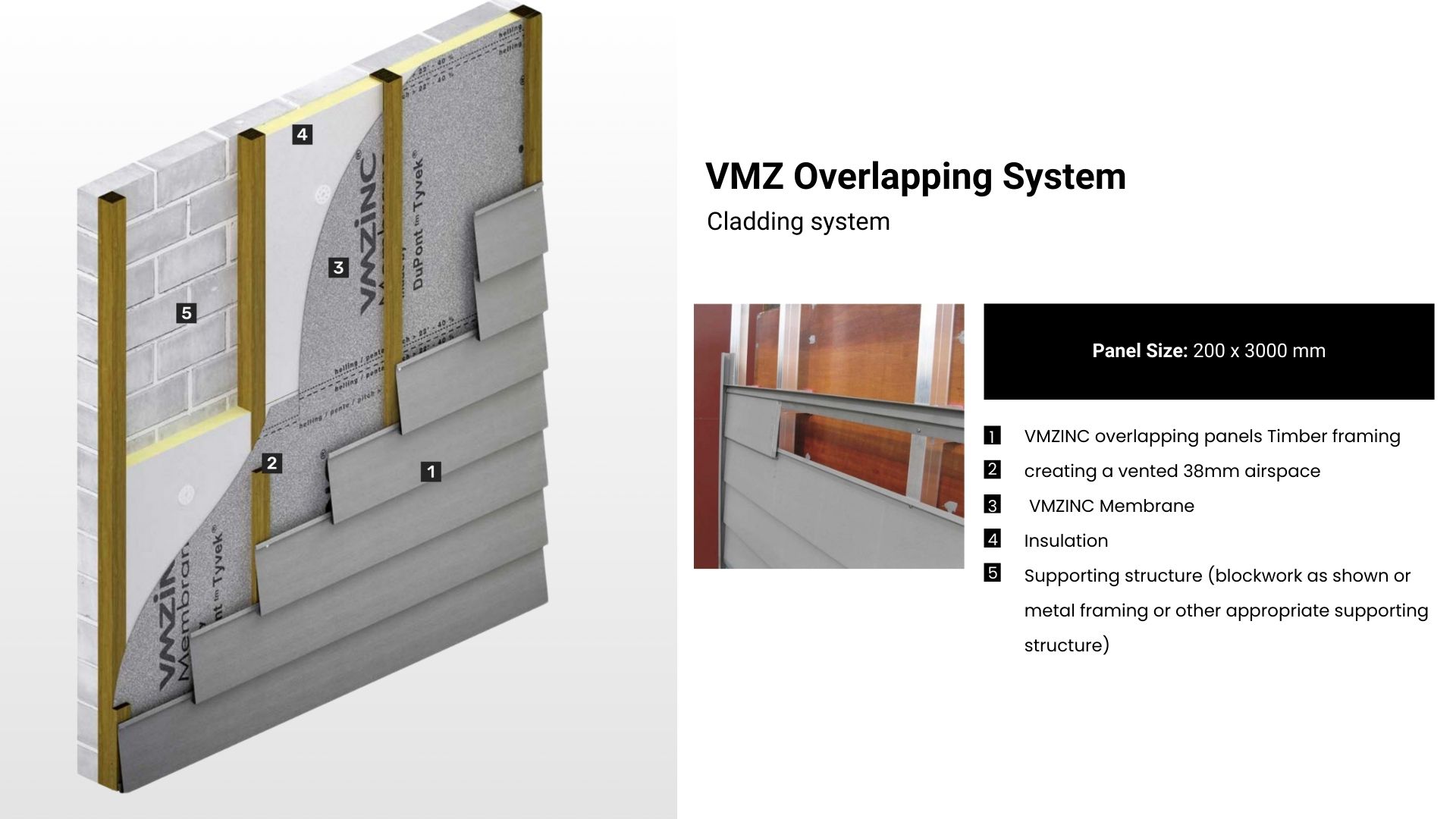
The overlapping panel system consists of a cost-effective set of panels and flashings designed for straightforward installation onto either timber battens or metal cladding rails. Fixing is carried out using screws or a nail gun, securing the panels without leaving visible fasteners. The panels have a 200 mm width and a 13 mm profile depth and are installed horizontally. They are supplied in 3 m lengths in QUARTZ-ZINC and ANTHRA-ZINC, with PIGMENTO and AZENGAR finishes available on request.
Mozaik is a rainscreen cassette façade system manufactured from 1 mm thick VMZINC, available in all standard finishes. The system allows installation in both vertical and horizontal orientations. Panels can be produced up to a maximum size of 2400 mm × 600 mm and are available in depths of 40, 60, 80, or 100 mm. Both vertical and horizontal joint gaps measure 15 mm. While the panels may be supported on timber battens, they are more typically installed on metal rail systems.

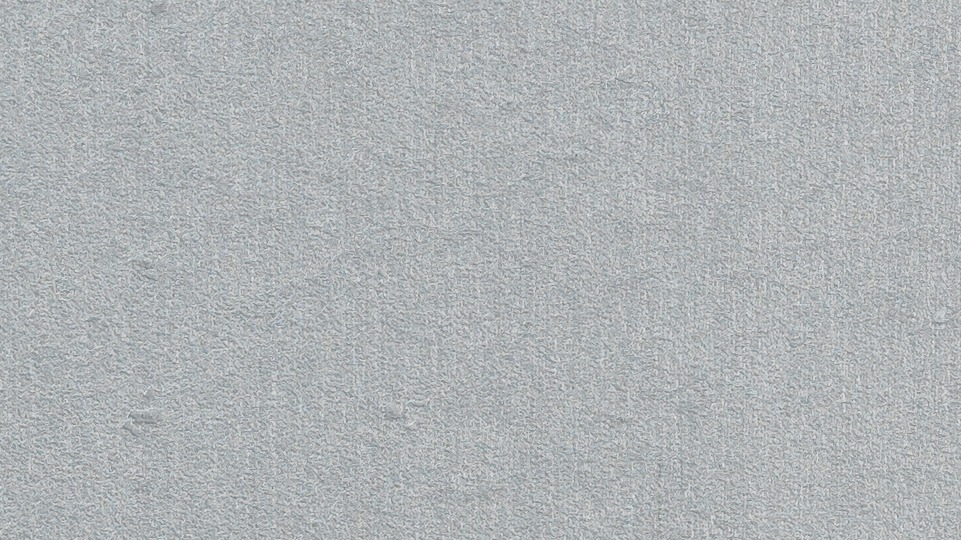
VMZINC supports forward-looking architecture through an extensive range of zinc finishes, offering designers greater freedom to realise innovative concepts. The range includes 10 pre-weathered finishes as well as a natural mill finish, allowing zinc to integrate elegantly with a wide variety of building materials.
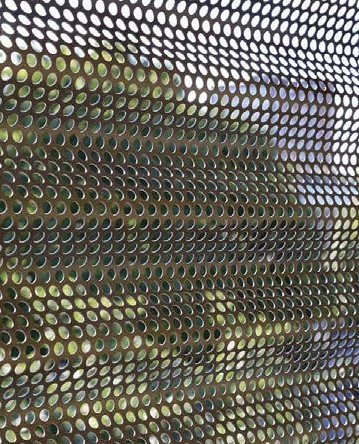
Zinc can also be embossed, perforated, or textured, enabling the creation of distinctive and expressive designs. To ensure that both new-build and refurbishment projects meet precise design requirements, VMZINC provides a diverse selection of surface finishes to suit different architectural intentions.
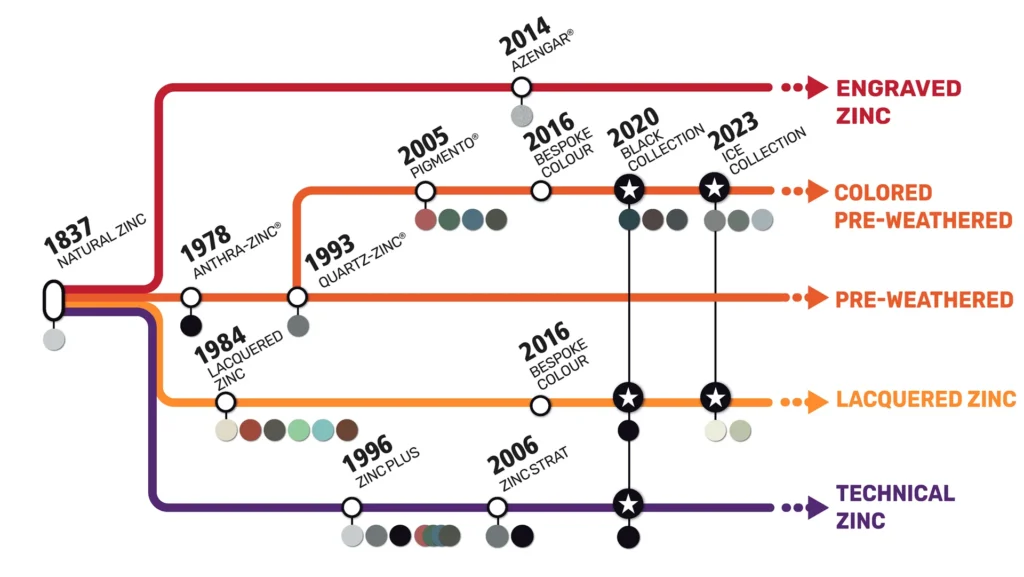
VMZINC has been producing rolled zinc solutions for building envelopes since 1837. Operating under the VMZINC brand, VM Building Solutions delivers integrated zinc systems for the construction sector, covering roofing, façades, rainwater systems, accessories, and premium decorative components. Production takes place across six dedicated manufacturing facilities located in France, Germany, Switzerland, and Slovakia. VM Building Solutions supplies zinc materials for roofing and façade applications through specialist distributors in more than 30 countries worldwide.
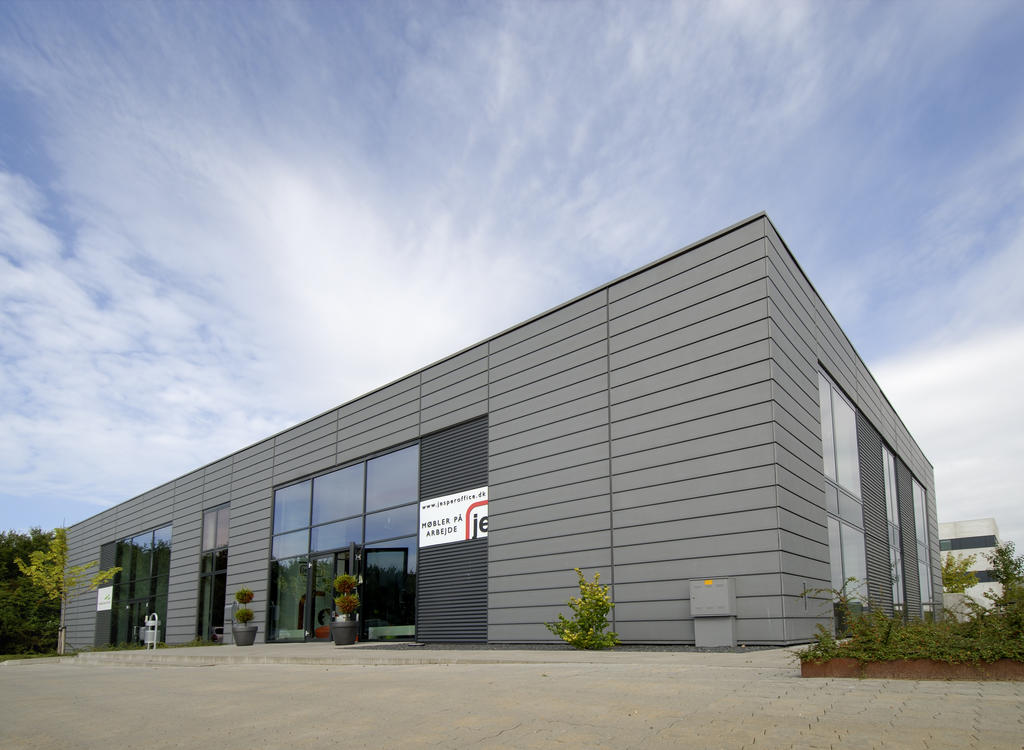
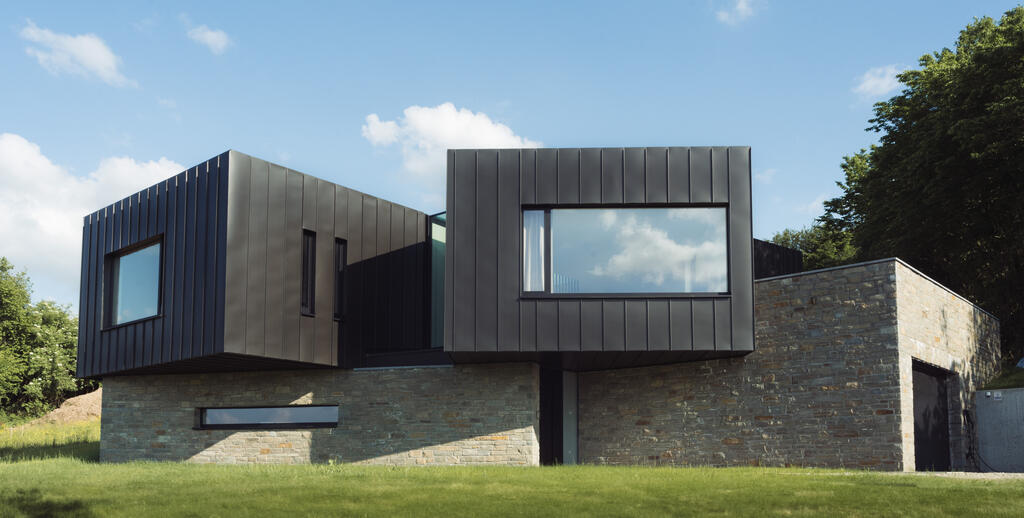
Zinc is among the most sustainable metals used in construction. There are many reasons to choose zinc for building envelope.
The history of VMZINC is that of a tradition that goes back more than 180 years. A history that spans the centuries and reflects the image of a noble, durable and robust metal with exceptional durability and great malleability.
At VMZINC, we are totally committed to your success in applying versatile and durable solutions for imaginative building projects from individual homes to commercial complexes, public buildings and private projects all over the world.
All what you need to know about zinc before let your creativity work.
VMZINC rolled zinc is alloyed with copper and titanium to produce a material with optimum mechanical and physical characteristics for building applications, particularly with regard to mechanical resistance and creep resistance.
It is composed of very high quality zinc Z1 (99,995% pure zinc), as defined by the EN 1179 standard, to which titanium and copper are added in order to obtain rolled zinc according to the European standard EN 988. Copper increases the mechanical resistance of the alloy, making it harder and stronger. This standard imposes very stringent specifications for the composition of rolled zinc and its physical, mechanical and dimensional characteristics, which make it an international reference. Titanium increases creep resistance permitting greater thermal expansion and contraction, of the material without causing metal fatigue.
The European Standard EN 988 has been applied since 1997 in 18 European countries. This standard imposes very stringent specifications for the composition of rolled zinc and its physical, mechanical and dimensional characteristics, which make it an international reference.
| Density | 7.2 kg/dm³ |
| Thermal expansion coefficient (parallel to the rolling direction) | 0.022 mm/m/°C |
| Melting point | 420°C |
| Recrystallization point | 300°C |
| Heat conductivity | 110 W/(m.K) |
| Electrical conductivity | 17 MS/m |
| Danger of sparking | Non-sparking |
| Magnetic properties | Diamagnetic |
Whilst the VMZINC brand complies with all the specifications of the EN 988 standard, we have gone beyond the requirements of this standard to create the PREMIUMZINC quality system. It offers an even higher level of quality than EN 988 certification.
Architects can enjoy unlimited design possibilities with VMZINC. The material can therefore adopt any shape and adapted to all types of buildings. It can be bent to fit curves with low radiuses and form complex shapes which are difficult to realize with other materials.
VMZINC provides the freedom to craft architectural masterpieces which are difficult to create with other construction materials. It is very malleable and can therefore meet virtually every architectural demand and provide solutions that less flexible materials cannot. Architects appreciate this versatility which allows them great freedom of expression when designing a building.
Zinc material offers solution to many challenge, the softer material helps to create an almost infinite variety of shapes: straight, curved, convex or concave with more or less pronounced assemblies with no visible fasteners. It allows a varied range of construction layouts and the management of complex details that are impossible to realize with other materials. It adapts to local professional particularities, to regulation or comfort requirements specific to each building.
The light grey patina takes between six months and two years to form, depending on the climate, the exposure of the site and the composition of the atmosphere. It protects itself against outdoor corrosion by developing a patina that gives it an exceptional long life span. With an average corrosion rate of 1µm/year, even very thin (0.7 mm) rolled zinc can achieve 70 to 100 years life depending on the environment (60 years in an aggressive environment up to more than 100 years in a milder environment). Zinc continues to develop protective layer throughout its life and will self-repair imperfections and scratches.
The patina is made up of two parts, first a very compact layer consisting of very dense basic zinc carbonate crystals is formed and adheres to the zinc. This first layer protects the zinc completely and slows down its interaction with the oxygen in the air. A second, less uniform layer, made up of zinc oxide or hydroxide, which is less adhesive and more porous, is also formed. Although it plays a less important role, it is still useful as it neutralises the effect of rain and other external factors on the zinc.
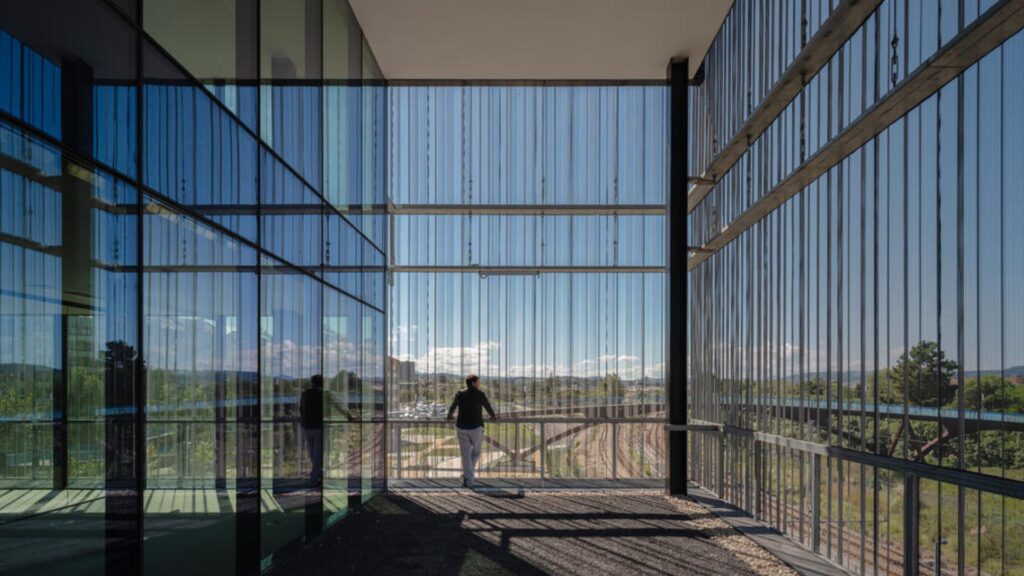
In addition to its long lifespan, zinc is a low maintenance material. It does not have a coating or varnish that wears out over time needing to be reapplied. In fact, zinc continues to develop a protective layer (patina) throughout its life and will self-repair imperfections or scratches. This noble material improves over the years thanks to its natural oxidation, giving it excellent durability and limited maintenance.
The traditional VMZINC systems provide highly efficient soundproofing against airborne noise (road traffic, airplanes, etc.). Their acoustic performance is further enhanced by the increased thickness of thermal insulation due to stricter regulations for the thermal insulation of building envelopes. Zinc also has a better acoustic performance with impact noises such as rain than the more rigid alloys (aluminium, stainless steel, etc.).
Zinc is a non-toxic, durable, recyclable and plentiful material. As an essential trace element, zinc is also vital to biological equilibrium and growth. Zinc used in the building industry is 100% recyclable and can be recycled indefinitely, putting it far ahead of many other materials which are just taking their first steps in recycling.
In Europe, more than 95 % of old rolled zinc is recycled. 100% of rolled or shaped zinc products at the end of their life cycle are recyclable and 95% are actually recyclable.
The success of rolled zinc recycling is due to a very well organized recycling market. The main users for old rolled zinc products are secondary zinc refiners, brass and oxide producers.
Zinc is an environmentally friendly metal with a favorable overall energy balance. Less energy is required to produce zinc than the other principal metals in the building industry. The energy balance is even more favorable in recycled zinc.
Zinc is an essential element for all living organisms. Zinc is necessary and indispensable for human, animal and plant life.
There is an optimal zinc concentration range for each living organism. Within this concentration range, living organisms can regulate their internal concentration in order to meet the requirements of their metabolism.
If these optimal conditions are not met and there is a deficit, zinc deficiency can result, likewise, in the event of excess, ecotoxicological problems arise.
Human beings are not usually exposed to an excess of zinc but they can experience zinc deficiencies.
On the other hand, ecosystems are rarely subjected to a lack of zinc but can be subjected to an excess of zinc.
Zinc is an important metal element for humankind as it ranks 3rd, after magnesium and iron.
Zinc plays an essential role in health. It is essential for growth, brain development, protecting the skin, the proper functioning of the immune system, digestion, reproduction, taste, smell and many other natural processes.
The human body is unable to synthesise the zinc it needs. It therefore draws zinc from its food. The World Health Organisation (WHO) recommends a daily zinc intake of 10 mg/day for children, 12 mg/day for women and 15 mg/day for men. Certain population groups have a higher zinc requirement and are therefore more at risk of zinc deficiency: children and adolescents, pregnant women, elderly people, etc.
The symptoms related to the risk of deficiency are: a reduction in the senses of taste and smell, skin problems, mental lethargy and a reduction in fertility.
Variety in a person’s diet depends primarily on their culture and standard of living. Since the amount of zinc varies according to the type of food, on a global scale many adults and children have a diet that is too low in zinc. In developing countries, zinc deficiency ranks 5th among the leading 10 risk factors for human health; the World Health Organisation (WHO) attributes 800,000 deaths worldwide each year to zinc deficiency and over 28 million healthy life years lost
Zinc is naturally present in the environment: rocks, soil, water and air have always naturally contained variable concentrations of it. During the course of their evolution, all living organisms have used the zinc available in their environment for specific functions of their metabolism. So, zinc is an essential element, which is necessary and indispensable for all living organisms in all ecosystems.
Living organisms are adapted to the natural concentration of zinc in their ecosystem. Furthermore, they have developed mechanisms to maintain optimum living conditions when this concentration level varies from the natural norm. But if the zinc concentration radically changes, living conditions are no longer optimum and the functioning of the ecosystem can be affected.
For this reason ecotoxicological studies can be conducted to assess the risk to the environment of an excess of zinc.
In these ecotoxicological studies, only the concentration of dissolved zinc should be taken into account because the insoluble part has no effect. The concentration of dissolved zinc is affected by properties of its environment such as pH, water hardness, dissolved organic carbon and temperature. So any study of the environmental impact of zinc must take into account the specific features of the ecosystem concerned and the concentration of dissolved zinc, not the total zinc concentration.
Ecotoxicological studies have shown that zinc concentrations in European ecosystems, originating either from human activities (such as atmospheric corrosion of rolled zinc and galvanised steel, wear and tear of vehicle tyres, fertilisers and animal feed, etc) or natural emissions (mainly from the earth’s volcanic activity), remain within the limits of optimal living conditions. A good example of this is the current levels of zinc in the Rhine (extreme values from 3 to 25 µg/L) which are within the optimal range for zinc
To maintain full traceability and provide professionals with assurance of the high quality of the zinc, all sheets and coils are ink-marked. This identification confirms compliance with EN 988, KOMO 7056, and ASTM 69 standards, as well as the requirements of the PREMIUMZINC label. It also reflects the high manufacturing standards and quality control processes applied to VMZINC products.

To maintain full traceability and provide professionals with assurance of the high quality of the zinc, all sheets and coils are ink-marked. This identification confirms compliance with EN 988, KOMO 7056, and ASTM 69 standards, as well as the requirements of the PREMIUMZINC label. It also reflects the high manufacturing standards and quality control processes applied to VMZINC products.
To maintain full traceability and provide professionals with assurance of the high quality of the zinc, all sheets and coils are ink-marked. This identification confirms compliance with EN 988, KOMO 7056, and ASTM 69 standards, as well as the requirements of the PREMIUMZINC label. It also reflects the high manufacturing standards and quality control processes applied to VMZINC products.
The LEED rating system (Leadership in Energy and Environmental Design) is a sustainability assessment framework developed in the United States and now applied internationally. It is designed to promote and evaluate environmentally responsible building practices. The programme recognises buildings that demonstrate high energy efficiency and reduced environmental impact, awarding certification across four levels: Certified, Silver, Gold, and Platinum. With their sustainable and recyclable properties, high recycled content, and availability of Environmental Product Declarations (EPDs), VMZINC systems offer multiple benefits that can support the achievement of LEED certification for projects in which they are specified.
Primarily used in building envelope applications, and in some cases for interior use, VMZINC solutions typically contribute to four key LEED credit categories.
| LEED® V.4 criteria | VMZINC advantages | Accessible points |
|---|---|---|
| Sustainable Site | Extent of SRI possibilities according to designers' requirements (Azengar SRI > 35) | 2 |
| Materials and Ressources | VMZINC's ambitious sustainable development commitment and policy | 1 |
| High levels of "pre-consumer" and "post-consumer" recycled content (33% and 21% respectively) | 1 | |
| Numerous Environmental Product Declarations compliant with ISO 14025 type III and EN 15804 | 1 | |
| Health and Safety Data Sheets | 1 | |
| Very little zinc scrap during installation (< 5%), which is 100% recyclable | 2 | |
| Energy and Atmosphere | Compatibility of VMZINC systems with the most effective insulation systems (performance, thickness) | * |
| Surface thermal bridges minimized in VMZINC systems | * | |
| PV system easy to integrate when used with VMZINC systems | 4 | |
| Indoor Air Quality | AFSSET COV/Formaldehyde protocol on the main surface aspects concerned | 3 |
| A+ COV/ Formaldehyde classification (Decree of 23 March 2011 on labelling of food products) | 3 |
An Environmental Product Declaration (EPD) is prepared in accordance with the international standard ISO 14025 (Type III). It communicates the results of a Life Cycle Assessment (LCA) carried out for a building product in line with the ISO 14040–44 series of standards. EPDs may also be developed in accordance with national requirements, provided they remain aligned with the relevant international standards
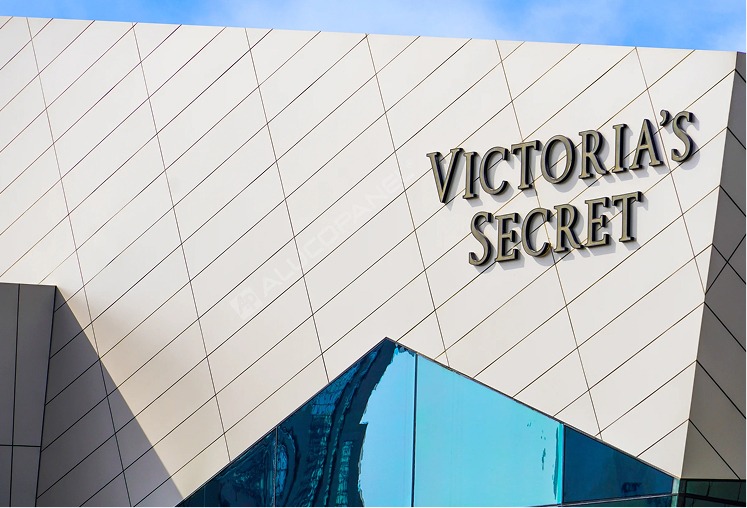
Zinc is a metal that performs extremely well in coastal environments and our normal warranties are valid for these locations. However, as zinc is a natural non painted metal it can react with its external environment including air with a high salt content. When this salty air lands on surfaces such as roofs the rainwater rinses the salt off, however on un-rinsed surfaces such as some facades and soffits this rinsing effect maybe very limited. For these surfaces within 1 km of the sea, permanent staining resulting from salt exposure, is likely. The staining will also be more visible on a very dark grey surface such as ANTHRA-ZINC.
In 2005 VMZINC launched the PIGMENTO range which is pre-weathered zinc with an added pigment which is then sealed with a coating. This coating results in elements such as salt in the air adhering and reacting with the zinc far less than with QUARTZ-ZINC and ANTHRA-ZINC. It is also easier to clean the PIGMENTO range. We also offer products without added pigment, called QUARTZ-ZINC STRAT and ANTHRA-ZINC STRAT.
For coastal locations (within 20 km of the sea) the use of PIGMENTO and STRAT products will reduce potential superficial staining on building surfaces with exposure to rinsing by rainwater. For these surfaces within 1km of the sea, permanent staining resulting from salt exposure, is still likely.
It should be noted that PIGMENTO and STRAT must not be left with bare edges exposed in coastal locations and folding radii must be respected – see General technical recommendations for further information.
The only materials with which zinc are not compatible in the case of direct contact are
However, if precautions are taken to avoid direct contact, zinc can be used with all types of substructures.
There are 4, each with its own specifications. The purpose of all four is to optimise the environmental performance of buildings.
Zinc is an asset with regard to environmental guidelines because some of its properties contribute to protecting natural resources, reducing greenhouse gases and limiting costs related to waste management and building maintenance. Moreover, the variety of textures and finishes allow the building to blend into its surroundings, which is also an asset. These properties are:
Rocks, many minerals, soil and water and the air naturally contain variable concentrations of zinc. There is an average of 80g of zinc per ton in the earth’s crust. In some areas of the earth’s crust, as a result of geological and geochemical processes, there are particularly high concentrations of zinc. In areas where the concentration of zinc is generally over 5% the ore is extracted.
Taking into account the efforts made to recycle zinc and with an estimated 1,900 million tons of mining reserves, mankind’s requirements for zinc will be met for over a century.
In industrialised countries, production plants have to obey very strict environmental regulations. The French plants are all committed to meeting ISO 14001 standards: the plant in Viviez obtained ISO 14001 environmental certification at the end of 2003. The Auby plant obtained this certification at the beginning of 2004 and the Bray-et-Lû plant obtained it in December 2004.
The main regions and countries where zinc ore is mined are:
Less energy is used to produce metallic zinc from ore or from recycled materials than for any other metal, such as aluminium, copper or stainless steel, used in the building industry.
In addition, less energy is used to transform zinc into rolled zinc than to process other metals. In fact, zinc’s mechanical properties make it easier to roll and transform it into finished products for the building industry because these properties allow the zinc to be rolled at a low temperature compared to most other metals, thus reducing energy consumption.
Zinc deficiency can cause serious health problems. Zinc is the 3rd most important trace element after magnesium and iron in the human body. As such, it participates in a great number of metabolic reactions. A lack of zinc in the diet can give rise to serious health problems such as skin problems, slower healing of wounds, reduced senses of taste and smell, increased risk of infection, retarded growth in children, mental lethargy, lack of appetite, hair loss, etc.
Ecotoxicology is the science that studies the potential effects of various substances on ecosystems (ecosystem = biological community of interacting living organisms and their physical environment, for example: a tree trunk, a field, an ocean, etc). The science that studies the potential effects of various substances on human beings is called toxicology.
No, in the developed countries, current emissions of zinc into the environment present no ecotoxicological risk. Zinc is a natural element which is found throughout the environment (water, air, soil and rocks). Localised emissions of zinc into the environment can be from natural sources such as volcanic emissions, or be of human origin, for example: worn tires, atmospheric corrosion from galvanised steel or rolled zinc, from fertilisers and cattle fodder. In the developed countries, the amount of zinc measured in sensitive ecosystems shows that current emissions of zinc into the environment do not present any ecotoxicological risks because they are within the limits required for optimal conditions for life.
No, zinc is not a dangerous heavy metal in the same sense as cadmium for example. Metals are commonly divided into two groups: “heavy” metals (with a density of over 5 g/cm3 and light metals (with a density of less than 5 g/cm3). Since the density of zinc is slightly higher than 5 g/cm3 it can certainly be classified as a “heavy metal” because of its density. But the term “heavy metal” is often associated with “toxic”. While this association is true for certain metals such as cadmium (if even a small quantity of these elements is inhaled, ingested or enters the human body through the skin, it can cause death or chronic or acute problems. This is not true for other metals such as zinc or copper. Zinc is not toxic because it is a trace element which is indispensable for all living organisms.
Not all the zinc emitted into the environment can be assimilated by living organisms. Only 10% in the ground and 30% in European rivers can be assimilated, the rest is in bound form and cannot be assimilated. Zinc that can be directly assimilated by living organisms is classified as “bio available”
In the areas of energy, waste and water the building industry has ecological (energy consumption, emission of greenhouse gases, production of waste, etc.), economic (energy costs, waste management costs, water treatment costs, creation of employment, etc.) and social (organisation of living space, sanitary conditions, durability, etc.) impacts.
These impacts are all related to the three fundamental pillars of the concept of sustainable development.
The environmental quality approach in the building industry, the aim of which is to reduce the negative impacts and optimise the positive impacts of this sector on the quality, environment and economy of society, is therefore a form of application of the concept of sustainable development in the building sector.
The use of zinc in building applications contributes to sustainable development because:
Brochures & Downloads
Case Studies
Specifications
Brochures & Downloads
Case Studies
Specifications
